February 27, 2026
Living in Marietta, Georgia: Neighborhoods, Dining, and Real Estate
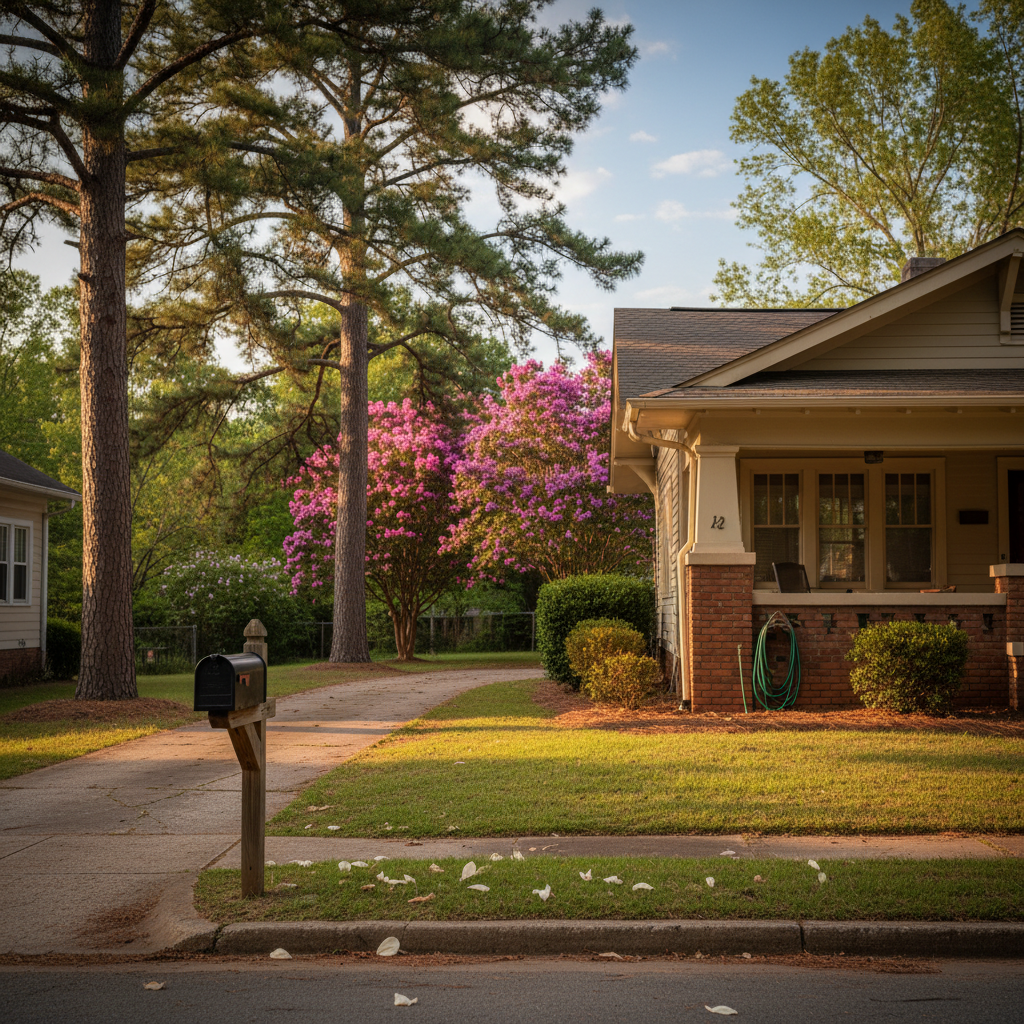
Marietta Has a Little Bit of Everything — and a Whole Lot of Character
When people ask me which city in Cobb County has the most personality, I always say the same thing: Marietta. As the county seat, Marietta carries a sense of history and civic pride that you just do not find in newer suburban communities. From the gas-lit streetlamps and wide sidewalks around Marietta Square to the sprawling executive homes of East Marietta, this city offers something for every kind of buyer — and I have helped clients find their perfect fit in nearly every corner of it.
What makes my job here so enjoyable is the sheer variety. In a single day I might show a craftsman bungalow in the Church Street Historic District in the morning, a transitional new-build in a West Marietta subdivision at lunch, and a four-bedroom colonial on a wooded lot in East Marietta in the afternoon. The city’s diversity — in housing styles, price points, neighborhoods, and demographics — makes it one of the most dynamic markets I work in. If you are considering a move to Cobb County, Marietta deserves a serious look.
Ready to explore what Marietta has to offer? Give me a call and I will walk you through the neighborhoods that match your priorities.
A Quick Overview: Why Marietta Stands Out
Marietta is the largest city in Cobb County and has been the county seat since the county was established in 1832. That history shows up everywhere — in the architecture around the Square, in the antebellum homes along Whitlock Avenue, and in the National Cemetery at the edge of downtown where Civil War soldiers are buried. This is not a city that was built last decade around a highway interchange. It has roots, and those roots give it a texture that newer communities simply cannot manufacture.
At the same time, Marietta is very much a modern, forward-moving city. Dobbins Air Reserve Base is located here. Life University and Kennesaw State University’s nearby campus both contribute to the city’s educated workforce. The restaurant scene around the Square has exploded in the last five years. And the real estate market — particularly in East Cobb — consistently attracts buyers from inside and outside Georgia who recognize the long-term value of these neighborhoods.
The city spans portions of two school systems — Marietta City Schools and Cobb County School District — which is an important distinction I always walk buyers through carefully, because your address determines which district you fall under, and both systems have distinct strengths.
The Neighborhoods: East Marietta, West Marietta, and Everything In Between
Church Street Historic District and Whitlock Avenue
If you love architecture and walkable urban living, the Church Street Historic District should be near the top of your list. This neighborhood sits within easy walking distance of Marietta Square and features a beautiful mix of Victorian, Greek Revival, and craftsman homes — many of them lovingly restored by owners who appreciate the craftsmanship that goes into these older properties.
Whitlock Avenue is one of the most photographed streets in the city, lined with massive historic homes set back on generous lots behind mature trees. Many of these homes date to the late 1800s and early 1900s. Prices in this immediate historic core range from the mid $400s to well over $800,000 depending on the size, condition, and level of restoration. If you are in the market for a truly one-of-a-kind home with genuine character, this area is worth serious consideration.
Living here means you can walk to dinner at Table & Main, grab a coffee at Red Light Cafe, catch a show at the Strand Theatre, or browse the shops around the Square on a Saturday morning — all without getting in your car. For buyers who value walkability and neighborhood feel over square footage per dollar, this trade-off makes complete sense.
Marietta Square and the Downtown Core
The blocks immediately surrounding Marietta Square represent the beating heart of the city. The Square itself — a traditional town square with a gazebo, green space, and historic storefronts — hosts farmers markets, festivals, art walks, and concerts throughout the year. The Marietta Gone with the Wind Museum and the Marietta History Center anchor the cultural identity of the area.
Residential options near the Square skew toward renovated older homes, newer infill construction, and a growing number of townhome communities that put residents in walking distance of the action. Prices in this zone typically range from the mid $300s for a well-located townhome to $600,000 and above for a fully renovated historic single-family home on a premium lot.
The demand here is strong and tends to attract buyers who are deliberately choosing an urban lifestyle within a suburban county — transplants from Atlanta’s intown neighborhoods who want more space but are not willing to give up walkability.
East Marietta
East Marietta — particularly the portions closest to East Cobb — is where you find some of the most sought-after real estate in the entire county. Subdivisions like Chimney Lakes, East Cobb Estates, Garrison Mill, and Terrell Mill Estates feature larger homes on wooded lots with the school assignments that buyers specifically relocate to Cobb County to access.
This is premium real estate. Homes in established East Marietta neighborhoods routinely list in the $400s to $700s, and properties in the best school zones can push significantly higher for updated homes with the right lot and layout. The school zoning here — which falls under Cobb County School District — means access to schools like Walton High School, Wheeler High School, and Lassiter High School, all of which are consistently ranked among the best in Georgia.
I tell buyers considering this area that the school premium is real, but so is the long-term value. Homes in the best East Cobb/East Marietta school zones hold their value exceptionally well, even when the broader market softens, because demand from families who have done their research never really goes away. For a broader look at how the school landscape shapes the market, check out my post on the best schools in Cobb County.
West Marietta
West Marietta offers a different value proposition — more home for your money, larger lots, and a quieter, more established suburban feel. Neighborhoods like Brookwood Hills, Burnt Hickory Estates, and communities along Due West Road give buyers access to good schools at price points that are often $50,000 to $100,000 less than comparable square footage in East Marietta.
The tradeoff is typically commute time to Atlanta (slightly longer from West Marietta) and somewhat fewer walkable amenities, though The Avenue West Cobb shopping center along Stilesboro Road has significantly improved the retail and dining options on this side of town.
For buyers who want more space, a bigger yard, and room for a pool without breaking the budget, West Marietta consistently delivers. I explore this comparison in depth in my post on East Cobb vs. West Cobb.
Schools: Marietta City Schools vs. Cobb County School District
This is one of the most important conversations I have with buyers in Marietta, and I want to be clear about it: your mailing address in Marietta does not automatically place your children in Marietta City Schools. The city school district and the county school district have different attendance boundaries, and many homes with a Marietta address fall under Cobb County School District.
Marietta City Schools is a separate, standalone district serving the core city area. It includes Marietta High School, which has made significant strides in recent years and has a strong fine arts and International Baccalaureate program. The district also operates West Side Elementary, Park Street Elementary, Marietta Middle School, and others. The city district is smaller and more intimate than CCSD, which some families prefer.
Cobb County School District covers the majority of the Marietta zip codes, particularly in East and West Marietta, and includes the high-performing schools that draw buyers from across the metro area. Walton High School in East Cobb is consistently ranked among the top 10 high schools in Georgia. Lassiter and Wheeler are similarly strong. At the elementary level, schools like Garrison Mill Elementary and Sope Creek Elementary have excellent reputations.
When I work with buyers in Marietta, I always pull the exact school assignments for any address they are seriously considering. It makes a real difference.
Parks, Recreation, and Outdoor Life
Marietta residents are well-served by green space and recreational facilities:
- Kennesaw Mountain National Battlefield Park — the park’s southern trailheads are easily accessible from East Marietta and offer miles of hiking through historical terrain and hardwood forest
- Marietta City Park — a beloved community park adjacent to the downtown area with playgrounds, tennis courts, walking paths, and event space
- Wildwood Park — a large natural area on the city’s west side with hiking trails and creek access, popular with dog walkers and trail runners
- Wooten Lake Park — a neighborhood park with a small lake, picnic areas, and fishing access
- Pope High School’s surrounding greenway trails connect several East Marietta neighborhoods and are popular with cyclists and joggers
The Silver Comet Trail also connects to the broader Cobb County trail network, giving Marietta residents access to one of the best recreational trails in the Southeast. And of course, Lake Allatoona — a 12,000-acre reservoir just 20 minutes north — is a major outdoor draw for boating, fishing, and swimming throughout the warmer months.
For a deeper look at outdoor options across the county, my post on the best outdoor activities in Cobb County covers everything you need to know.
Marietta Square: The Dining and Entertainment Hub
The dining scene around Marietta Square is genuinely one of the best in the suburbs, and I enjoy walking clients through it. A few highlights:
- Table & Main — farm-to-table Southern cuisine in a beautiful historic building, widely regarded as one of the best restaurants in the Atlanta metro area
- Zucca Bar & Pizzeria — excellent wood-fired Neapolitan pizza just off the Square
- Tin Drum Asian Kitchen — a local favorite for quick, flavorful Asian-inspired dishes
- The Strand — a beautifully restored historic theater showing independent films and hosting live performances
- Red Light Cafe — a music venue with a cozy, intimate atmosphere
- Marietta Brewing Company — craft beer and pub food in a relaxed setting steps from the Square
- Around the Corner — a classic Marietta bar with decades of history
The Square also hosts the year-round Marietta Farmers Market on Saturday mornings, the Art in the Park festival each May, the Taste of Marietta festival every Labor Day weekend, and a packed calendar of community events that keep the area alive year-round. I often recommend checking out my deeper dive on restaurants in Marietta and Kennesaw for the full picture.
Commuting From Marietta
Marietta’s location along I-75 and US-41 makes it one of the more commuter-friendly cities in Cobb County. Key travel times during off-peak hours:
- Cumberland/Galleria: 15-20 minutes
- Midtown Atlanta: 25-35 minutes
- Downtown Atlanta: 30-40 minutes
- Hartsfield-Jackson Airport: 35-45 minutes
The Cobb Community Transit (CCT) operates several routes through Marietta, including express service to Arts Center MARTA Station, which gives residents a car-free option for getting into Atlanta. The CobbLinc bus system also serves major corridors throughout the city.
For buyers commuting to Buckhead or Midtown, the combination of I-75 and express bus service makes Marietta a legitimately competitive option compared to living further south with a more expensive price tag. For the full commute picture from different parts of the county, check out my post on commuting from Kennesaw to Atlanta — many of the same dynamics apply.
Real Estate Prices by Area
To give you a practical sense of what the market looks like across different Marietta neighborhoods:
- Church Street Historic District / near the Square: $350,000 — $800,000+ (single-family historic homes, renovated bungalows, some infill new construction)
- Whitlock Avenue area: $400,000 — $900,000+ (larger historic homes, premium for well-restored properties)
- East Marietta / East Cobb zone: $400,000 — $750,000+ (established subdivisions, strong school zones, wooded lots)
- West Marietta: $280,000 — $520,000 (more affordable, larger lots, good value)
- Townhome communities throughout Marietta: $280,000 — $450,000 (lower maintenance, good for first-time buyers and downsizers)
The county-wide median home price of $383,717 gives you a useful baseline, but the Marietta market varies significantly by sub-area. For first-time buyers, my guide on first-time homebuyer tips in Georgia is a good resource before you start touring homes.
Is Marietta Right for You?
Marietta is the right choice for buyers who want access to everything — top schools, urban amenities, outdoor recreation, a genuine sense of history and community, and a commute that does not consume your life. It is a city that rewards buyers who take the time to explore its different neighborhoods carefully, because the variation between areas is real and meaningful.
Whether you are drawn to the walkable charm of the Square, the elite school zones of East Marietta, or the value-driven larger lots of West Marietta, I can help you navigate the differences and find the right fit. I have worked this market for years and I know it intimately — from which subdivisions back up to Kennesaw Mountain trails to which streets flood in heavy rain. That kind of local knowledge matters when you are making a decision this significant.
Give me a call. I would love to show you around Marietta and help you find the neighborhood that feels like home.
Frequently Asked Questions
What is the difference between Marietta City Schools and Cobb County School District?
Marietta City Schools is an independent school district serving the core city area, separate from the larger Cobb County School District. Many homes with a Marietta mailing address actually fall under Cobb County School District — which includes high-performing schools like Walton, Lassiter, and Wheeler High Schools. I always verify exact school assignments for any address my buyers are considering, because the boundaries do not always follow the city limits.
What are home prices like near Marietta Square?
Homes within walking distance of Marietta Square typically range from the mid $300s for a well-located townhome or smaller cottage to $600,000 and above for a fully renovated historic single-family home on a premium lot. The most iconic properties along Whitlock Avenue can exceed $900,000. Prices in this area have appreciated steadily as buyer interest in walkable suburban living has grown.
How is the commute from Marietta to Atlanta?
Marietta sits along I-75, which provides a direct connection to Atlanta. During off-peak hours, Midtown is typically 25-35 minutes away and Downtown is 30-40 minutes. Cobb Community Transit also operates express bus service to Arts Center MARTA Station, giving residents a transit alternative. Commute times vary significantly by neighborhood — East Marietta adds a few minutes versus being closer to the I-75 on-ramp.
Are there good restaurants and things to do in Marietta?
Absolutely. The area around Marietta Square has one of the best dining and entertainment scenes in suburban Atlanta. Table & Main is widely considered one of the top restaurants in the entire metro area. The Strand Theatre, Marietta Brewing Company, and a rotating cast of local restaurants, coffee shops, and boutiques make the Square a genuine destination. Seasonal festivals and a weekly farmers market keep the community active year-round.
Is Marietta a good place to invest in real estate?
Yes — particularly in the East Marietta and near-Square areas. Cobb County’s 2026 appreciation forecast of +8% reflects strong underlying demand, and Marietta’s combination of top schools, historic character, and proximity to Atlanta makes it resilient in softer markets. Homes in the best school zones tend to hold their value well. For a broader market perspective, my post on understanding the Georgia real estate market in 2026 provides useful context.