April 4, 2026
New Construction vs. Resale Homes in Cobb County: Pros, Cons, and Costs
One of the Biggest Decisions You Will Make as a Buyer
When buyers come to me having already decided they want to buy in Cobb County, one of the first conversations we have is this one: new construction or resale?
It is a genuinely interesting question with no universal right answer — and it is one I enjoy digging into because the tradeoffs are real, the math is sometimes counterintuitive, and the “right” choice depends enormously on your priorities, your timeline, and what neighborhood characteristics matter most to you.
I have represented buyers on both sides of this choice many times over. I have watched families fall in love with a brand-new home in the Town Center corridor and feel completely at peace with the premium they paid for it. I have also watched buyers find a substantially better overall value in an established neighborhood like East Cobb or Smyrna, getting a larger lot, mature trees, and more square footage for the same or lower price.
This post lays out the complete picture so you can make an informed decision. And when you are ready to look at specific properties on either side of the ledger, give me a call — I work with buyers on new construction and resale every week.
The State of New Construction in Cobb County
Before we get into the comparison, it helps to understand what the new construction market looks like right now. Cobb County currently has more than 415 new homes available across approximately 57 active communities. That is a meaningful selection for a county of this size.
The most active new construction corridors include:
The Town Center Area (Kennesaw/Acworth) The area around Town Center at Cobb and along the Barrett Parkway and Shiloh Road corridors continues to see significant new development. Builders like D.R. Horton, LGI Homes, Meritage Homes, and Smith Douglas Homes have active communities here. Price points range from the upper $300Ks to the mid-$500Ks, with some luxury communities pushing higher.
East Cobb True new construction is harder to find in the established neighborhoods of East Cobb, but infill construction — tear-downs replaced with new builds — is increasingly common. These homes can push into the $700Ks and above and attract buyers who want a new home in the Pope High School or Walton High School district.
Smyrna and Vinings Townhome and attached new construction communities are active in the Cumberland/Smyrna area, capitalizing on proximity to The Battery Atlanta and easy access to I-285 and I-75.
Powder Springs and West Cobb West Cobb has seen new single-family community development offering more competitive entry price points than the east side of the county.
For a deeper look at Cobb County’s geographic breakdown, I cover the east vs. west distinction in detail in my East Cobb vs. West Cobb comparison.
New Construction: The Pros
Modern Floor Plans and Layouts New homes are designed around how people actually live today. Open-concept kitchens flowing into great rooms. Primary suites on the main floor (increasingly common in Georgia). Upstairs loft spaces. Home office flex rooms. Builder floor plans have genuinely evolved, and some buyers simply do not want to renovate a 1990s colonial’s closed-off kitchen to get the layout they want.
Energy Efficiency New construction in Georgia must meet current building code standards, which have become progressively more demanding. You will get better insulation, energy-efficient windows, high-SEER HVAC systems, and LED lighting throughout. The practical result is lower utility bills — sometimes meaningfully lower compared to a 30-year-old home of similar size.
Builder Warranties Georgia builders are required by law to provide what is commonly called a 1-2-10 warranty:
- 1 year on workmanship and materials (the entire home)
- 2 years on mechanical systems (HVAC, plumbing, electrical)
- 10 years on structural defects
This warranty coverage is a genuine financial advantage. The first few years of homeownership in a new construction home tend to have very low maintenance costs. You are not replacing a roof, fixing a failing HVAC system, or dealing with plumbing issues in year two.
Customization Options If you buy early enough in the construction process, you can often select your own finishes — flooring, cabinet colors, countertops, hardware, tile. For buyers who want their home to feel uniquely theirs from day one, this is a major draw. That said, many builders have moved toward “spec” homes that are already under construction with finishes chosen by the builder.
Lower Maintenance (Early Years) Everything is new. Nothing needs updating. The deferred maintenance costs that can accumulate in an older home simply do not exist yet. For busy families or buyers who are not handy with repairs, this peace of mind has real value.
New Construction: The Cons
Higher Price Per Square Foot New construction consistently commands a premium over comparable resale homes. In Cobb County, that premium can run 10% to 20% or more depending on the builder, location, and finishes. On a Cobb County median of $383,717, a comparable new construction home might list at $420,000 to $460,000.
Smaller Lots Go to almost any new construction community built in the last 15 years and compare the lot sizes to an established neighborhood from the 1970s or 1980s. The difference is stark. Builders have maximized their land use, which means smaller yards, homes closer together, and less privacy. If outdoor space is important to you, this is a real tradeoff.
HOA Restrictions Virtually all new construction communities in Cobb County come with a homeowners association. HOA fees, architectural review requirements, restrictions on parking, landscaping, and exterior modifications — these are facts of life in new construction. Annual HOA fees in Cobb County new communities typically run $800 to $2,400. Factor this into your monthly budget.
Construction Delays If you are buying a home that is not yet complete, you are at the mercy of supply chains, subcontractor availability, and weather. Closing date delays of 30, 60, even 90 days are not uncommon. If you are selling your current home simultaneously, managing that timing is a real planning challenge.
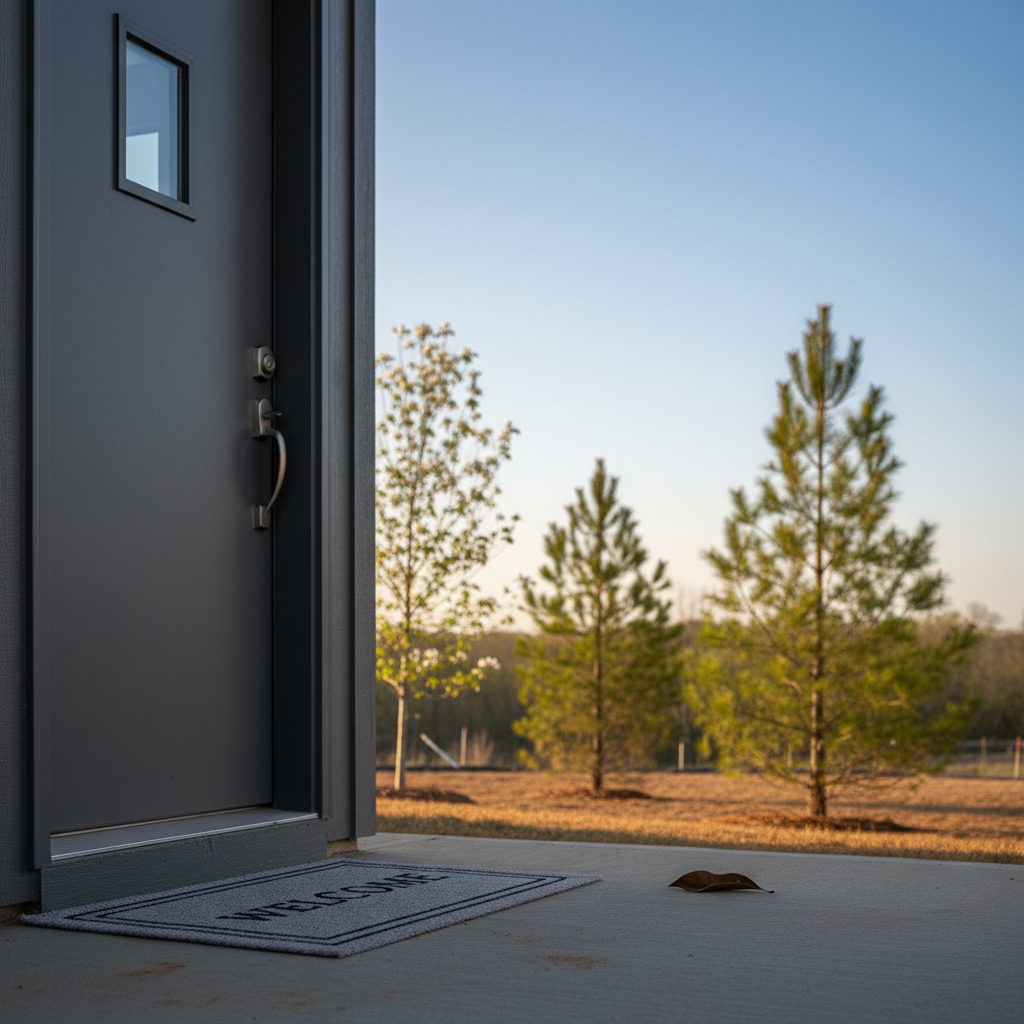
Limited Landscaping and Curb Appeal (Early Years) New construction lots are typically scraped down to dirt and seeded. You get grass and maybe a few young trees. The mature oak trees, the established landscaping, the settled-in curb appeal of an older neighborhood — that takes years to develop. It is a cosmetic issue, but it matters to buyers who care about how their neighborhood looks.
Upgrade Costs Add Up Fast The base price of a new construction home often does not reflect the finished product you will actually want. Builder upgrades — hardwood floors instead of LVP, quartz instead of builder-grade granite, an expanded primary shower, a finished basement — are priced at significant markups. It is common for buyers to add $30,000 to $80,000 in upgrades to a base-priced home.
Resale Homes: The Pros
Established Neighborhoods With Character The neighborhoods I think of when a buyer wants established community feel — East Cobb’s Murdock Road corridor, Smyrna’s Vinings area, Kennesaw’s Legacy Park — are full of mature trees, known schools, neighbors who have been there for years, and a sense of place that new construction communities are still earning. For many buyers, this intangible has enormous value.
Larger Lots and More Outdoor Space Many resale homes in Cobb County sit on substantially larger lots than what you find in new construction. A 0.3 to 0.5 acre lot in an established East Cobb neighborhood is not unusual. Room for a pool, room for a real garden, room between you and your neighbor — these things matter.
More Square Footage Per Dollar Resale homes often offer more interior space at the same price point as new construction. The price premium for “new” means your dollar goes further in the existing home market.
Known Community You can visit a resale neighborhood at different times of day, talk to current residents, look at the school ratings, and know exactly what community you are buying into. New construction communities are still forming their identity.
Room for Negotiation Sellers of existing homes are typically more negotiable than builders, who have firm pricing structures and brand standards. A motivated resale seller may accept a lower price, contribute to closing costs, or include personal property. Builders rarely do any of these things — their flexibility usually comes in the form of upgrades, not price reductions.
Resale Homes: The Cons
Maintenance and Updating Costs An older home has systems with years or decades of use on them. The HVAC might be 12 years old. The roof might need replacement in 5 years. The kitchen might be dated. A realistic buyer budgets for these costs upfront. A thorough home inspection (which I always insist on) will help you understand what you are inheriting — read my home inspection guide for Georgia buyers for what to look for.
Outdated Systems or Features The closed-off floor plan, the small closets, the single master bath — resale homes reflect the preferences of a previous era. Some buyers love the renovation challenge; others would rather have a blank slate. If you are in the renovation camp, factor in realistic contractor costs and timelines.
Georgia-Specific Concerns: Red Clay and Older Plumbing Older homes in Cobb County may have foundation movement from decades of Georgia’s red clay soil expansion and contraction. Homes built between 1978 and 1995 may have polybutylene piping, which insurers often will not cover and which typically needs replacement. These are real costs to investigate before making an offer.
Competitive Bidding Well-priced resale homes in desirable areas of Cobb County attract multiple offers. Inventory constraints in certain price ranges mean you may face competition. Understanding how to write a strong offer is something I help my buyers with every week.
The Numbers: New Construction vs. Resale on a $400K Budget
Let me put some concrete numbers to this for a buyer working with a $400,000 budget in Cobb County:
New Construction at $400K
- Base home price: $400,000
- Upgrades (typical): +$25,000 to $50,000 out of pocket, or rolled into loan
- HOA fee: $1,200/year ($100/month)
- First-year maintenance: Very low (warranty coverage)
- Utility costs: Lower (energy efficient systems)
- What you likely get: 2,000-2,400 sq ft, small lot, modern finishes, 3-4 bed/2.5 bath
Resale at $400K
- Purchase price: $400,000 (more negotiating room)
- Possible renovation budget: $10,000-$30,000 depending on condition
- HOA fee: $0 to $1,000/year (many established neighborhoods have no HOA)
- First-year maintenance: Higher potential (older systems)
- Utility costs: Potentially higher (older systems)
- What you likely get: 2,200-2,800 sq ft, larger lot, established landscaping, 3-4 bed/2.5 bath
Neither answer is “better” in the abstract. It depends entirely on which package of tradeoffs aligns with your life.
Tips for Buying New Construction (Things Your Builder Won’t Tell You)
If you decide new construction is the right choice, here is what I tell every buyer before they step foot in a builder’s sales office:
Bring Your Own Agent The builder’s on-site sales agent represents the builder. They are very nice, very professional, and working for the other side. You have the right to bring your own buyer’s agent — bring me. I can negotiate on your behalf, review the contract (builder contracts are heavily weighted toward the builder), and help you understand what you are actually agreeing to. And it does not cost you a thing.
Never Skip the Inspection on New Construction Builder homes have punch-list items, construction defects, and quality control misses just like any other home. A professional home inspection before you close catches those issues while the builder still has an obligation to fix them. I see buyers skip this “because it’s new” and then discover problems six months later that are harder to resolve.
Negotiate Upgrades, Not Price Builders rarely move on the base price — their comp control across the community matters to them. But many builders have flexibility on upgrades, closing cost contributions, or rate buydowns. This is where your negotiating energy is best spent.
Understand the Warranty Fine Print Georgia’s 1-2-10 builder warranty covers defined defects. Know what is and is not covered before closing. Some builders try to narrow the definitions of covered defects in their warranty language. Read it carefully, or ask me to review it with you.
Know When to Lock Your Rate New construction timelines are long, which creates interest rate risk. Work with your lender to understand your rate lock options and costs for a 60-90 day lock versus a 6-month lock if construction runs long.
For a full picture of what living in the specific areas where new construction is concentrated looks like, my guide to Kennesaw as a place to call home covers the community context well.
Frequently Asked Questions
Is new construction more expensive than resale in Cobb County?
Yes, in general. New construction in Cobb County typically commands a 10% to 20% price premium over comparable resale homes on a per-square-foot basis. However, new construction offers advantages that may justify the premium for the right buyer: modern floor plans, energy efficiency, builder warranties, and lower early maintenance costs.
Do I need a real estate agent for new construction in Cobb County?
You do not legally need one, but I strongly recommend it. The builder’s on-site sales agent represents the builder’s interests. Having your own agent costs you nothing (the builder pays the buyer’s agent commission) and gives you a professional advocate who can review the contract, negotiate on your behalf, and guide you through the process.
What builder warranty is standard in Georgia?
Georgia law requires new home builders to provide a 1-2-10 warranty: one year on workmanship and materials, two years on mechanical systems (HVAC, plumbing, electrical), and ten years on structural defects. The specific coverage terms vary by builder, so it is important to read the warranty agreement carefully before closing.
What are the most active new construction areas in Cobb County?
The most active corridors for new construction in Cobb County include the Town Center/Kennesaw/Acworth area along Shiloh Road and Barrett Parkway, infill new construction in East Cobb, townhome and attached construction near Smyrna and Vinings, and single-family communities in Powder Springs and West Cobb. With over 415 homes available across 57+ communities, there are options across a range of price points.
Can I negotiate the price on a new construction home?
Builders rarely discount the base price because it affects their comparable sales across the community. However, many builders will negotiate on upgrades (appliances, flooring, countertop selections), closing cost contributions, or interest rate buydowns. Your negotiating leverage is also stronger on homes that have been sitting on the market for 60 or more days.