March 25, 2026
Home Improvements That Add the Most Value in the Atlanta Metro
Renovate Smart — Not Just Big
One of the most common conversations I have with sellers is about improvements. They want to put their home’s best foot forward before listing, which is absolutely the right instinct. But the question of which improvements to make — and which to skip — is where I see a lot of sellers make expensive mistakes.
The truth is that not every renovation delivers a return at resale. In the Atlanta metro and Cobb County market specifically, certain improvements have proven track records for increasing sale price and buyer interest. Others are money spent that you will not recover. My job is to help you tell the difference.
This guide focuses on improvements that make financial sense for mid-market Georgia homes — the $250,000 to $600,000 range that covers most of the Cobb County market. I will give you real cost estimates and realistic ROI expectations, grounded in what I see buyers responding to in this market right now.
If you want to understand the full selling process once your improvements are complete, The Complete Guide to Selling Your Home in Cobb County covers everything from pricing through closing. And for staging advice that layers on top of your improvements, see Home Staging Tips That Help Georgia Homes Sell Faster.
1. Outdoor Living Spaces — Georgia’s Highest-ROI Improvement
If there is one improvement category that consistently delivers outsized returns in Georgia, it is outdoor living. And the reason is simple: Georgia has approximately nine months of legitimate outdoor living weather. From early March through November, residents are genuinely outside — dining, entertaining, and relaxing outdoors. Buyers know this, and they value outdoor living space accordingly.
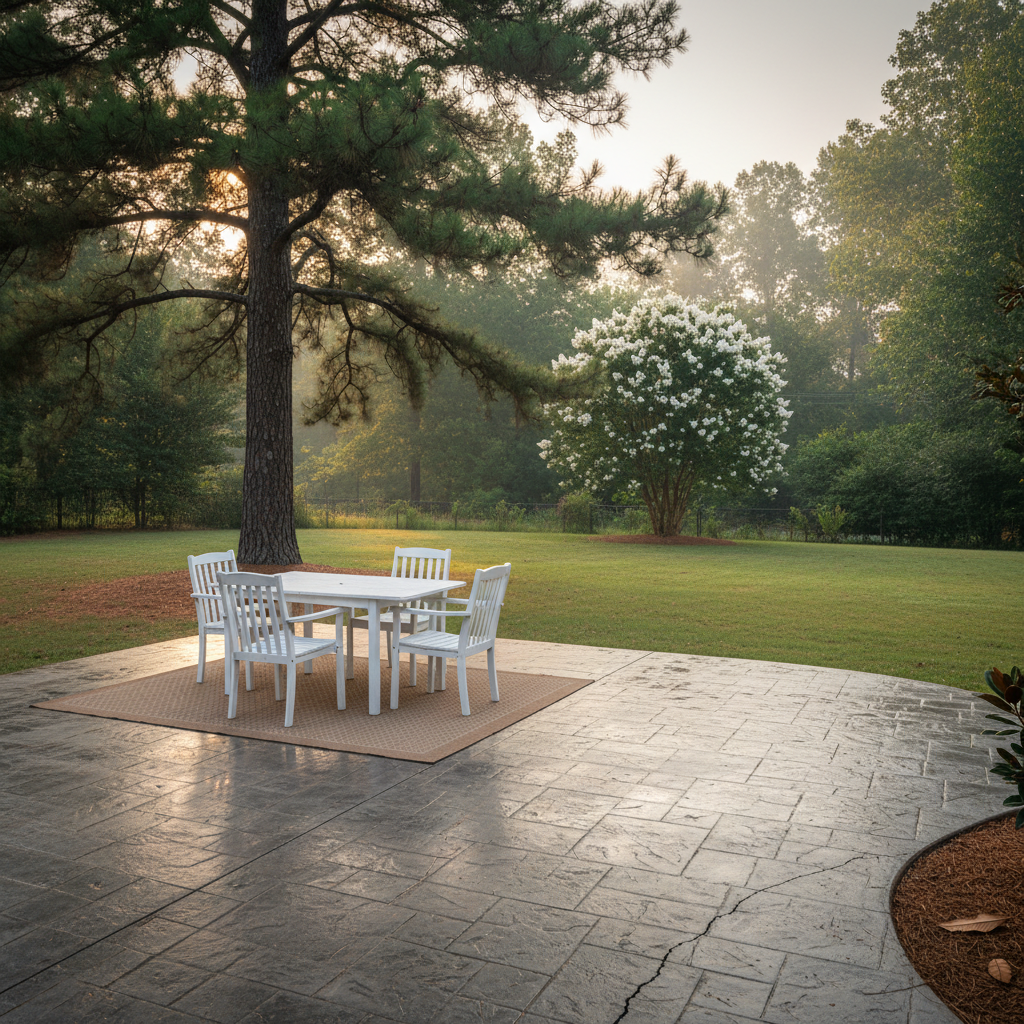
Patios: A simple poured concrete or stamped concrete patio (12x20 feet) runs $3,000 to $8,000 depending on complexity and finish. The ROI is strong — a usable patio adds perceived value that often exceeds its cost, and it photographs beautifully. Pavers cost more ($8,000 to $20,000 for a similar footprint) but look premium and add significant curb appeal.
Decks: A pressure-treated wood deck in the $8,000 to $15,000 range adds real functional living space to a home. Composite decking (Trex or similar) runs more — $15,000 to $25,000 for a mid-size deck — but requires no maintenance and has strong buyer appeal in the current market.
Screened porches: This is the gold standard of outdoor improvements for Georgia homes. A well-built screened porch effectively adds a usable season-extending room to the home. Expect to invest $15,000 to $35,000 for a proper screened porch addition. In the right neighborhoods — particularly East Cobb, Kennesaw, and Marietta — a screened porch can add more to perceived value than its construction cost. Buyers from the Midwest and Northeast especially love them.
What to avoid with outdoor projects: Elaborate outdoor kitchens with built-in appliances in the $40,000 to $80,000 range often do not fully recover their cost at resale in mid-range neighborhoods. A simple gas line hookup and a clean, staged space where buyers can picture their own grill is more strategic.
2. HVAC Upgrades — The First Thing Georgia Buyers Check
In Georgia, buyers inspect HVAC systems with an intensity you do not see in northern markets. The reason is straightforward: your air conditioning system runs hard from May through September, and often into October. A failing AC in a Georgia summer is not an inconvenience — it is a crisis.
Buyers and their home inspectors always check the age and condition of HVAC equipment. A system older than 12 to 15 years is a negotiating point at best and a deal-killer at worst. Here is what I recommend:
Full system replacement: A complete HVAC replacement (both the heat pump or AC unit and the air handler) for a typical 2,000 to 2,500 square foot home runs $5,000 to $12,000 depending on system size, efficiency rating, and the complexity of the installation. Replacing an aging system before listing often recovers its cost entirely through avoided inspection negotiations — buyers who see a new HVAC unit do not negotiate it as a deficiency.
Service and maintenance: At minimum, have your HVAC serviced and cleaned before listing. A $150 service call with a clean bill of health is a strong data point you can share with buyers. Replace filters, and make sure the system operates smoothly during showings (keep it running at a consistent temperature).
Whole-home dehumidification: Increasingly popular in Georgia, given the intense summer humidity. A whole-home dehumidifier ($1,500 to $2,500 installed) is a differentiator that resonates with buyers who have experienced Georgia’s humid summers.
ROI: HVAC improvements do not always show up directly in appraisals, but they dramatically reduce the friction during the inspection and negotiation process — which has real financial value. I have seen sellers lose $5,000 to $10,000 in concessions because of aging HVAC systems that a $6,000 replacement would have prevented.
3. Kitchen Updates — Strategic, Not Complete
Full kitchen renovations are expensive and rarely fully recover their cost at resale. A complete gut-and-rebuild kitchen renovation — new cabinets, countertops, appliances, flooring, and layout changes — can run $40,000 to $80,000 and beyond. In a home selling at the Cobb County median of $383,717, that kind of investment does not pencil out.
What does work is targeted, strategic kitchen updating that modernizes the space without over-improving for the neighborhood.
Cabinet refacing: If your cabinet boxes are structurally sound but the doors and drawer fronts look dated, refacing is a transformative option at a fraction of full replacement cost. Expect $5,000 to $15,000 depending on your kitchen’s size. The result looks like new cabinetry at roughly one-third the price.
New hardware: Swapping out dated brass or basic silver pulls and knobs for matte black or brushed nickel hardware is a $75 to $200 project that changes the entire feel of a kitchen. I cannot overstate how much this small change matters visually.
Countertops: Replacing laminate countertops with quartz or granite is one of the kitchen updates that buyers respond to most strongly. Budget $3,000 to $7,000 for a standard kitchen, depending on the material and edge profile. Quartz is currently preferred over granite in most buyer demographics because it requires no sealing and resists staining.
Appliances: If your appliances are visibly aged, mismatched, or showing wear, an upgrade to a matching stainless steel package can make the kitchen feel cohesive and updated. A basic stainless steel four-piece appliance package runs $2,500 to $4,000. You do not need professional-grade appliances — you need appliances that look clean and coordinated.
What to avoid: Custom cabinetry, professional range hoods, specialty tile work, and layout changes that move walls or plumbing. These investments are meaningful for your enjoyment of the home but rarely recover their cost at resale.
4. Bathroom Renovations — Prioritize the Master
Bathrooms, particularly the master bathroom, carry significant weight with buyers. A dated master bath can drag down buyer enthusiasm for an otherwise excellent home.
Master bathroom focus:
- Vanity replacement: Swapping a dated vanity for a new double vanity with a quartz top runs $800 to $2,500 for the vanity itself plus installation. This is often the single highest-impact bathroom improvement.
- Shower update: If the master shower has dated tile, consider re-tiling with a current subway or large-format tile. Cost: $2,000 to $5,000 depending on size and complexity.
- Fixtures: Replacing dated chrome or brass faucets, towel bars, and light fixtures with brushed nickel or matte black ties the room together. Budget $300 to $800 for a full bathroom fixture refresh.
- Flooring: Tile flooring is the standard expectation in Georgia bathrooms. If you have dated tile, budget $1,500 to $3,500 for new floor tile installation.
Secondary bathrooms: Keep updates in secondary baths proportional — fresh caulk, new hardware, and a clean vanity are often sufficient without a full renovation.
ROI: Mid-range bathroom renovations in the Atlanta metro return approximately 60 to 70 percent of their cost in added value according to industry remodeling data. The return is lower than some expect, which is why I emphasize targeted updates over full renovations.
5. Curb Appeal — High Visibility, Lower Cost
Everything buyers see before they open the front door shapes their emotional state during the showing. Strong curb appeal creates positive anticipation; poor curb appeal creates doubt before they even step inside.
Landscaping investment: A professional landscaping refresh — trimming overgrown shrubs, installing fresh mulch, adding seasonal plantings — runs $500 to $2,000 and delivers immediate visual impact. For larger properties with more significant needs, a full landscaping redesign might run $5,000 to $15,000, but this level of investment is typically reserved for higher-end properties.
Exterior paint: If your home’s exterior paint is peeling, fading, or simply dated, repainting the exterior is one of the most impactful improvements you can make. A professional exterior paint job for a typical Cobb County home runs $3,000 to $8,000 depending on size, siding type, and condition. The visual transformation is dramatic.
Driveway sealing and repair: Cracked or stained driveways are immediately visible and signal deferred maintenance to buyers. Driveway sealing runs $200 to $500 for a typical residential driveway. Concrete crack repair or asphalt resurfacing costs more but is worth it for properties with significant driveway damage.
Front door: A freshly painted or replaced front door, new house numbers, and updated exterior lighting make a strong first impression for under $500 if you do the painting yourself or replace with a standard entry door. Impact entry doors (hurricane-rated, which are increasingly common in Georgia) run more but add both security and perceived value.
6. Energy Efficiency — Georgia Buyers Care About Utility Bills
Georgia Power bills run high during the summer cooling season, and buyers increasingly factor energy costs into their purchase decisions. Energy efficiency improvements can be genuine selling points — especially as utility costs continue to rise.
Windows: Replacing single-pane windows with double-pane, low-E windows improves both energy efficiency and comfort. Window replacement typically runs $300 to $700 per window installed, making a full-home window replacement a significant investment. Prioritize the most visible windows (front-facing) and those most impacted by air leakage. ROI is approximately 60 to 70 percent.
Insulation: Upgrading attic insulation to current code standards is an invisible improvement that buyers cannot see — but a home energy audit can document it, and savvy buyers appreciate it. Attic insulation upgrade costs typically run $1,500 to $3,000 and contribute to lower utility bills that become a selling point.
Smart thermostats: A Nest or Ecobee thermostat ($150 to $250 installed) is a visible, modern feature buyers appreciate and costs almost nothing relative to the impression it makes. This is one of the best ROI improvements you can make.
HVAC efficiency upgrade: If you are replacing your HVAC system anyway, upgrading to a higher SEER rating (16+ SEER) costs modestly more but provides meaningfully better efficiency. Include this in any HVAC replacement discussion.
Improvements to Skip
Not every improvement is worth the investment. Here are the ones I advise most sellers against:
Swimming pools: Georgia homeowners often assume a pool is a universal selling point. It is not. A pool is highly divisive — some buyers are excited, others are deterred by liability, safety concerns (especially buyers with young children), and ongoing maintenance costs. The $40,000 to $80,000 cost of pool installation almost never returns close to full value at resale in the mid-range market.
Luxury finishes in mid-range neighborhoods: This is the classic over-improvement mistake. Installing $15,000 custom kitchen cabinetry in a neighborhood where homes sell for $300,000 does not make your home worth $350,000. Appraisers and buyers are bounded by the neighborhood. Your improvements must be proportional to your home’s price point.
Room additions: Adding square footage sounds like a guaranteed value increase, but the cost per square foot to build ($150 to $250 per square foot in current Georgia construction markets) often exceeds the appraised value it adds. Room additions also take months and create listing delays.
Over-the-top landscaping: Professional-grade elaborate landscaping, elaborate hardscaping, or custom outdoor water features rarely recover their cost and can even deter buyers who see them as maintenance burdens.
Planning Your Pre-Listing Investment
Before deciding on improvements, have a conversation with me. I can walk through your home specifically, assess what the local buyer pool is most responsive to in your price range and neighborhood, and help you prioritize investments with the highest probability of increasing your net proceeds.
The goal is not to make your home perfect — it is to make it competitive in the current market at your target price point. Sometimes that means a $200 fresh coat of paint and a $150 landscaping cleanup. Sometimes it means a $10,000 HVAC replacement and kitchen hardware refresh. The right answer depends on your specific home and market.
Give me a call and let’s build a pre-listing plan that makes sense for your situation.
Frequently Asked Questions
What home improvements have the best ROI before selling in Georgia?
In the Atlanta metro, the improvements with the strongest ROI relative to cost are: outdoor living space additions (patios, decks, screened porches), targeted kitchen updates (countertops, hardware, cabinet refacing), HVAC replacement on aging systems, curb appeal improvements, and fresh neutral paint. Energy efficiency upgrades are increasingly valued but tend to have moderate direct ROI.
How much should I spend on improvements before listing?
There is no universal answer — it depends on your home’s current condition, price point, and neighborhood. As a general guideline, I recommend against spending more than 1 to 2 percent of your home’s value on pre-listing improvements unless a specific high-ROI project (HVAC, outdoor living) is clearly justified. On a $383,000 home, that is roughly $3,800 to $7,600 in targeted improvements. Quality of improvement selection matters far more than quantity of spending.
Does a new roof add value when selling?
A new roof is valued differently than cosmetic improvements. Buyers and appraisers treat a recently replaced roof as a major deferred maintenance item resolved — it removes a negotiating point and an inspection concern rather than adding a premium above market value. If your roof is at or near end of life (20+ years for architectural shingles), replacing it before listing often makes more sense than offering a credit, because it gives buyers confidence and removes a common point of negotiation.
Are solar panels a selling point in Georgia?
Solar panels are increasingly common in Georgia and can be a selling point if they are fully owned (paid off) with no liens on the property. Leased solar panels can complicate the sale significantly — buyers may not qualify to assume the lease, or may not want to. If you have a solar lease, discuss it with me before listing so we can address it proactively in the marketing.
How long before listing should I start improvements?
Start planning three to six months before your target list date if you anticipate significant improvements. HVAC replacement, deck or patio construction, and exterior painting all require contractor scheduling, and quality contractors in the Atlanta metro are often booked 4 to 8 weeks out. Starting early gives you time to complete improvements, let paint cure and landscaping settle, and still have time for staging and professional photography before launch.