February 17, 2026
The Complete Guide to Selling Your Home in Cobb County
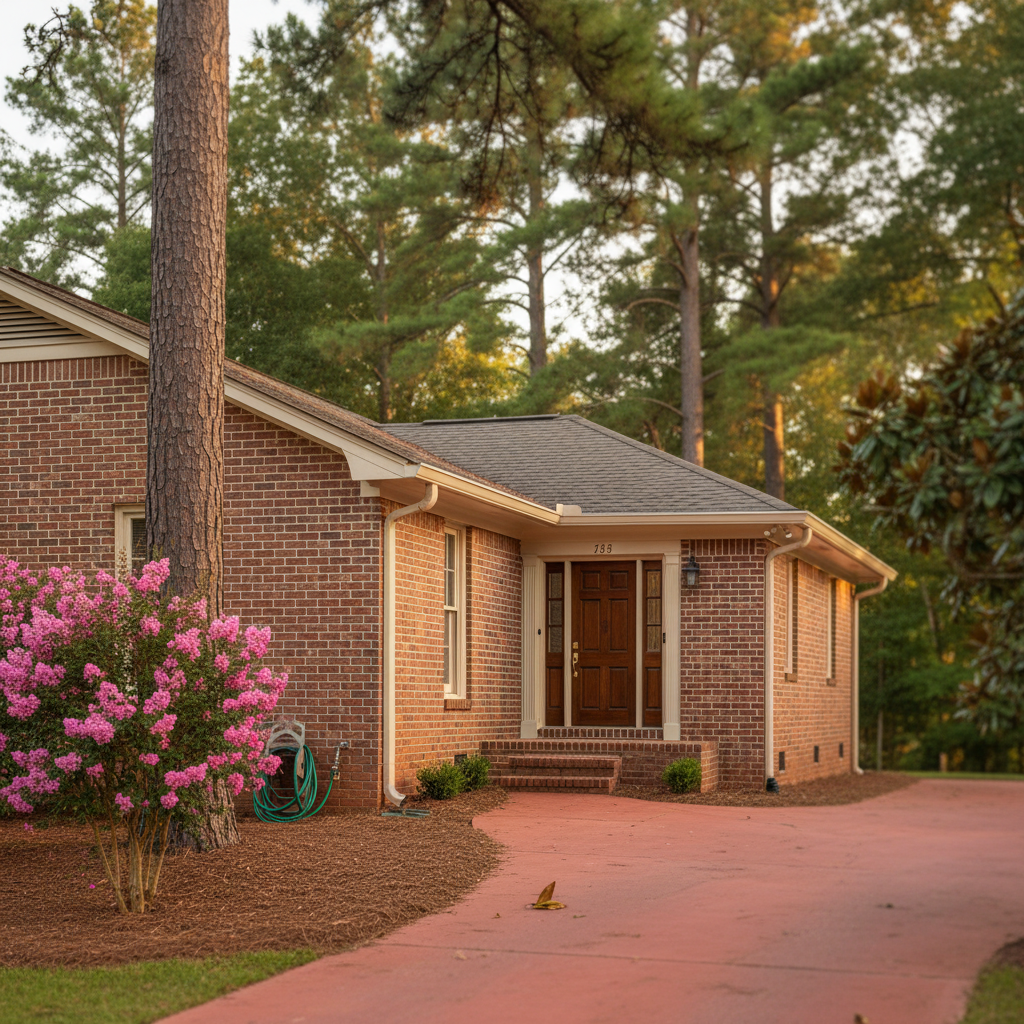
Selling Your Home in Cobb County: What You Need to Know
If you are thinking about selling your home in Cobb County, you are in a strong position. The market here remains one of the most active in the greater Atlanta metro, with the median home price sitting at $383,717 and homes spending a median of 44 days on market. Buyers are still out there — motivated, qualified, and ready to move. But selling well in this market takes more than just planting a sign in the yard. It takes strategy, preparation, and the right guidance from someone who knows this area deeply.
I have helped sellers across Kennesaw, Marietta, Smyrna, Acworth, and the East Cobb and West Cobb corridors, and every transaction teaches me something new about what works here. This guide covers everything you need — from the moment you decide to sell through the day you hand over the keys.
If you want to jump ahead to a specific topic, here is what we cover: timing, pricing, preparing your home, Georgia disclosure rules, marketing and photography, the showing process, negotiating offers, the inspection period from the seller’s side, closing costs, and how to choose the right listing agent.
When Is the Right Time to Sell?
Timing your sale can make a real difference in your net proceeds. In Cobb County, the spring market is consistently the strongest — listings that hit the market in May sell at an average premium of 13.1% above market value compared to off-peak months. If you can time your listing for late March through May, you will have the largest pool of motivated buyers competing for your home.
That said, good homes sell in any season. The fall and winter months tend to bring fewer showings, but the buyers who are out looking are serious — they are not window shopping. I have closed some excellent deals for sellers in November and December because the competition is lighter and we priced the home correctly from the start.
For a full month-by-month breakdown of the Cobb County selling calendar, check out Best Time to Sell a House in Cobb County. Understanding the seasonal patterns will help you plan your timeline and set realistic expectations for how quickly your home will move.
Pricing Your Home Right: The Most Important Decision You Will Make
Nothing I do as a listing agent matters more than helping you price your home correctly from day one. Overpricing is the single biggest mistake sellers make, and it is painful to watch because the consequences are entirely avoidable.
Here is what I see happen when a home is priced too high: it sits. Buyers and their agents notice a listing that lingers, and they start to wonder what is wrong with it. You lose the momentum of the first two weeks — when a new listing gets the most attention — and you end up chasing the market downward with price reductions. By the time you settle on a realistic price, you have likely sold for less than you would have if you had priced correctly at the start.
How I price your home:
- Comparative Market Analysis (CMA) — I pull recent sales of comparable homes in your immediate area, adjusting for square footage, condition, upgrades, lot size, and location. This is not an automated estimate from a website. This is a hands-on analysis from someone who has walked through many of these homes.
- Active and pending listings — your competition. Buyers are comparison-shopping, and we need to know what else they are looking at.
- Days on market trends — in Cobb County’s current environment, homes priced at or just below market value are moving in under 30 days. Homes priced above the market are sitting 60, 90, even 120 days.
- Your home’s unique features — a renovated kitchen, a finished basement, a screened porch, a premium lot — these add real value, and I factor them in carefully.
I always tell my sellers: we price your home to attract buyers, not to scare them away. The goal is to generate multiple offers so that market forces drive the price up — not to start high and negotiate down.
Preparing Your Home: First Impressions Are Everything
Before we list, I spend time walking through your home with a buyer’s eye. The goal is to identify everything that might give a buyer pause — and address it before it becomes a negotiating chip against you.
Declutter and depersonalize. Buyers need to see themselves living in your home. That means clearing countertops, minimizing furniture in crowded rooms, packing away family photos and personal collections, and reducing closet contents to show off storage space. This one step alone can change how a home feels on a tour.
Make the easy repairs. Fresh caulk in the bathrooms, a new coat of neutral paint where walls look tired, tightening cabinet hardware, fixing running toilets, replacing burned-out bulbs — these small investments signal to buyers that the home has been well maintained. A home that looks neglected invites lowball offers; a home that looks cared for commands full price.
Deep clean everything. Top to bottom, including inside the oven, the refrigerator if it is staying, the garage floor, the windows, and the grout lines in the bathrooms. Smell matters too — if you have pets, take the extra step to have carpets cleaned and the home professionally odor-treated.
Curb appeal. This is the first thing buyers see in person — and increasingly, the first thing they judge from photos online. Fresh mulch in the beds, trimmed shrubs, a power-washed driveway and walkway, clean gutters, and a freshly painted or polished front door can make a dramatic difference. In Georgia, where red clay stains on driveways and walkways are common, a professional pressure wash before listing is money well spent.
Outdoor living spaces. Georgia’s outdoor season runs nearly nine months of the year, and buyers know it. A clean, staged patio or deck can feel like bonus square footage. I have seen a well-staged screened porch add perceived value that shows up in the final offer price.
For detailed room-by-room guidance, I have put together Home Staging Tips That Help Georgia Homes Sell Faster, which covers everything from the kitchen to the backyard.
And if you are weighing which improvements to make before listing, Home Improvements That Add the Most Value in the Atlanta Metro breaks down what delivers real return on investment versus what you should skip.
Georgia Disclosure Requirements: What Sellers Must Disclose
Georgia law requires sellers to complete a Seller’s Property Disclosure Statement before listing. This document covers the condition of major systems and structural components of the home — the roof, HVAC, plumbing, electrical, foundation, basement, swimming pool, and more. You will disclose whether you are aware of any material defects, past repairs, moisture issues, or other conditions that could affect the property’s value or desirability.
Here is my advice: be thorough and honest. Trying to hide a known defect is not worth the risk. In Georgia, a seller who conceals a material fact that the buyer could not have reasonably discovered can face legal liability even after closing. Buyers have attorneys at closing too, and post-sale disputes are expensive and stressful for everyone.
Beyond the property disclosure, Georgia also requires disclosure of any lead-based paint in homes built before 1978 — a federal requirement that applies nationwide.
If you are unsure about what to disclose, talk to me and we can work through it together. I have seen sellers tie themselves in knots over disclosure questions that have simple, straightforward answers.
Georgia’s Attorney Requirement at Closing
One thing that surprises many sellers — especially those relocating from other states — is that Georgia requires an attorney to be present at closing. Unlike states where a title company handles the closing independently, Georgia law mandates that a licensed attorney supervise the transaction, review all documents, and conduct the closing.
This is actually a good thing for you as a seller. The attorney ensures that the deed and all closing documents are properly prepared, that the title is clear, and that funds are disbursed correctly. As a seller, you will typically not choose the closing attorney — that right usually goes to the buyer — but you are welcome to bring your own attorney to review documents if you choose.
The closing attorney fee is one of the line items in the closing costs you will pay as a seller, which I cover in detail in the next section.
Understanding Your Selling Costs
A lot of sellers focus on the sale price but do not think carefully about what they will actually net after costs. Let me walk you through the key expenses:
Seller closing costs in Georgia run approximately 3.12% of the sale price on average. On a home selling at the Cobb County median of $383,717, that is roughly $11,972 in closing costs. Here is what makes up that figure:
- Real estate commissions — traditionally the largest cost. The commission structure has evolved significantly following recent industry changes, so let’s have a direct conversation about how this works on your specific listing.
- Georgia transfer tax — $1 per $1,000 of sale price. On a $383,717 sale, that is approximately $384. One of the lowest transfer taxes in the Southeast.
- Attorney fees — for the closing attorney’s services. Typically ranges from $500 to $1,000 depending on the complexity of the transaction.
- Outstanding mortgage payoff — if you carry a mortgage, the payoff amount (current balance plus interest to the date of closing) is deducted from your proceeds.
- Prorated property taxes — you will pay your share of the year’s property taxes up to the closing date.
- Any seller-paid concessions — if you agreed to pay a portion of the buyer’s closing costs as part of the negotiation, that comes out here.
- Home warranty (optional) — offering a one-year home warranty, typically $400-$700, can be a strong selling tool that reassures buyers about post-closing repairs.
For a complete breakdown of every line item, I recommend reading Closing Costs in Georgia Explained. Knowing your net proceeds before you list is critical to making informed decisions throughout the process.
Photography and Marketing: How I Get Eyes on Your Home
Ninety-five percent of buyers start their home search online. The photos of your home are your first — and sometimes only — chance to earn a showing. This is not the place to cut corners.
I hire a professional real estate photographer for every listing. This is not negotiable on my end. A professional photographer knows how to use natural light, wide-angle lenses, and proper staging to make rooms look their best. The difference between professional photography and agent-shot phone photos is immediately visible — and it shows up in the number of showings you get.
My marketing approach includes:
- MLS listing — your home goes on the Georgia MLS, which syndicates immediately to Zillow, Realtor.com, Trulia, Redfin, and dozens of other platforms where buyers are searching.
- Social media promotion — targeted posts and ads on Facebook and Instagram that put your home in front of buyers who are actively looking in Cobb County.
- Email marketing — reaching out to my network of buyer’s agents and past clients who have expressed interest in properties like yours.
- Virtual tour or video walkthrough — especially valuable for out-of-town buyers who may be relocating to the area and cannot visit in person right away. Corporate relocations are a consistent source of buyers in Cobb County.
- Yard sign and lockbox — basic but still essential. Many buyers drive neighborhoods they like before searching online.
- Open houses — strategically timed, particularly in the first week or two of listing, to generate traffic and visibility.
The goal of all this marketing is to create demand. Demand leads to competition. Competition leads to stronger offers.
Navigating the Showing Process
Once your home is listed, showings begin. Here is what to expect and how to set yourself up for success:
Keep the home show-ready. This is the hardest part for many sellers — especially those with kids or pets. I recommend establishing a routine: dishes put away, beds made, toiletries out of sight, pets secured or taken out of the house during showings. Buyers cannot picture themselves in a cluttered or lived-in home.
Leave during showings. This one is non-negotiable. Buyers are uncomfortable when sellers are present — they rush through the home and do not share honest reactions with their agent. An empty house leads to longer, more engaged showings.
Feedback loop. After each showing, I follow up with the buyer’s agent to gather feedback. This information is valuable — if we hear the same concern from multiple buyers, it tells us something actionable, whether that is a price adjustment, a staging tweak, or a repair.
Lockbox access. A secure electronic lockbox allows showing agents to access the home with a licensed agent’s code, and every access is logged. This gives you security while ensuring maximum showing flexibility.
Reviewing and Negotiating Offers
When offers start coming in, the listed price is just the beginning of the conversation. Here is what I look at in every offer:
- Purchase price — the obvious one, but not the only number that matters.
- Earnest money deposit — how much are they putting down to show good faith? A stronger deposit signals a more committed buyer.
- Financing contingency — is the buyer financing or paying cash? A cash offer eliminates the appraisal and financing risk.
- Appraisal contingency — if the home does not appraise at or above the purchase price, does the buyer have the ability and willingness to make up the difference?
- Inspection contingency — standard in Georgia. I will walk you through how to navigate this when it comes.
- Closing date — does the timeline work for you? A buyer offering your ideal closing date may be worth more to you than one offering slightly more money with a difficult timeline.
- Seller concessions — is the buyer asking you to contribute to their closing costs? This reduces your net even if the purchase price looks strong.
If we receive multiple offers — which is common in Cobb County for well-priced homes — I will help you compare them side by side and decide whether to accept the strongest offer outright or issue a multiple-offer notification inviting all parties to submit their best and final offer.
Do not let the highest number on paper automatically win. The best offer is the one most likely to close at the agreed-upon price, on time, without drama.
The Inspection Negotiation: Protecting Your Bottom Line
Once you have an accepted offer, the buyer will typically schedule a home inspection within the first 7-10 days of the contract. Here is what I tell every seller: expect the inspection to find something. It always does. The question is not whether issues will be found — it is how we handle them.
After the inspection, the buyer’s agent will submit a Repair Request or Amendment to Address Concerns. This is normal and expected. Your options as a seller are:
- Make requested repairs before closing (using contractors of your choosing).
- Offer a credit at closing in lieu of repairs, which keeps the deal moving and lets the buyer manage the work after closing.
- Decline certain requests — especially for cosmetic issues or items that were visible before the offer was made.
- Negotiate — agree to some items, decline others, meet in the middle.
My job is to protect your interests here. Buyers sometimes use the inspection as a second opportunity to negotiate the price. I help you distinguish between legitimate repair requests and opportunistic asks — and I push back firmly when warranted.
A seller who has done their homework — made the obvious repairs before listing, completed a disclosure statement accurately, priced the home fairly — is in a much stronger negotiating position during the inspection period.
The Closing Process: From Accepted Offer to Keys in Hand
After the inspection period is resolved, you move into the home stretch. Here is what happens between acceptance and closing:
-
Appraisal — the buyer’s lender orders an independent appraisal of your home, typically within the first two weeks after the inspection period closes. The appraiser visits the home and confirms that the purchase price is supported by comparable sales. If the home appraises at or above the purchase price, you proceed. If it comes in low, we negotiate from there.
-
Title search — the closing attorney conducts a title search to confirm you have clear ownership and that there are no liens, judgments, or encumbrances against the property.
-
Final underwriting — the buyer’s lender reviews everything and issues a final loan commitment. This is often the stage where delays happen, and it is largely outside your control. Staying in close communication with your agent during this period matters.
-
Walk-through — the buyer typically does a final walk-through within 24 hours of closing to confirm the home is in the same condition as when they made the offer and that agreed-upon repairs have been completed.
-
Closing day — you sign the deed and transfer documents, the buyer signs their loan documents, funds are disbursed, and you hand over the keys. In Georgia, the closing attorney coordinates all of this and ensures every party receives what they are owed.
Timeline: Once you have an accepted offer, expect 30 to 60 days to closing, depending on the buyer’s financing type (cash closes faster), the complexity of the inspection negotiations, and appraisal scheduling. The most common timeline in Cobb County for a financed buyer is 35 to 45 days.
Choosing the Right Listing Agent
I want to be straightforward with you about this section because I know I am not a neutral party — I am asking for your business. So let me tell you what you should actually look for in a listing agent, and you can judge whether I fit the bill.
Local expertise matters. Your listing agent should know your specific neighborhood — not just “Cobb County” in general, but your subdivision, your street, the comparable homes that have sold recently within a mile of your house. I have walked through hundreds of homes across Kennesaw, Marietta, Acworth, Smyrna, and the East and West Cobb corridors. That knowledge directly affects how I price and market your home.
Look at their marketing approach. Ask to see examples of their listings. Are the photos professional? Is the MLS description well-written? Do they use video and social media? A listing that looks great online generates more showings, and more showings lead to stronger offers.
Communication style. Selling your home is stressful. You deserve an agent who returns calls and texts promptly, gives you honest feedback even when it is not what you want to hear, and keeps you informed at every stage. I make responsiveness a priority with every client.
Track record. Ask how many homes they have listed and sold in the past 12 months, and what their list-to-sale price ratio looks like. These numbers tell you whether they price homes accurately and negotiate well for their sellers.
Chemistry. You will be working closely with this person for 30 to 60 days or more. Trust your instincts.
If what you read here resonates with you, I would love to sit down for a no-obligation listing consultation. I will bring a full market analysis, walk through your home with you, and give you an honest assessment of what it will take to sell — and what you can realistically expect to net.
Give me a call or send me a message and let’s talk. Selling your home in Cobb County should be exciting, not stressful, and I am here to make sure it goes smoothly from start to finish.
Frequently Asked Questions
How long does it take to sell a home in Cobb County?
The median days on market in Cobb County is 44 days, but this varies significantly by price range, condition, and timing. Well-priced, well-prepared homes in the $300,000 to $450,000 range often go under contract in under two weeks. After you have an accepted offer, expect 30 to 45 days to closing for a financed buyer, or as few as 14 to 21 days for a cash buyer.
Do I need to make repairs before listing?
You are not legally required to make repairs before listing, but I strongly recommend addressing obvious issues — leaky faucets, broken fixtures, worn caulking, damaged flooring — because buyers will use deferred maintenance as leverage in negotiations. Serious structural or system issues (roof, HVAC, foundation) are worth discussing with me specifically, since the calculus depends on your situation and the current market.
What does it cost to sell a home in Georgia?
Plan for roughly 3.12% of your sale price in total seller closing costs, which covers real estate commissions, the Georgia transfer tax ($1 per $1,000), closing attorney fees, prorated taxes, and any seller concessions. On a home selling at $383,717, that is approximately $11,972. Your outstanding mortgage payoff is an additional deduction from your proceeds.
Do I have to disclose everything wrong with my home?
Georgia law requires you to complete a Seller’s Property Disclosure Statement covering known material defects. You are required to disclose conditions you are actually aware of — you are not expected to be a home inspector. However, attempting to conceal a known defect can expose you to legal liability post-closing, so my advice is always to be honest and thorough.
What is the best time of year to list in Cobb County?
May is historically the strongest month for sellers in Cobb County, with listings selling at a 13.1% premium above typical market value. The spring selling season generally runs from mid-March through June. That said, correctly priced homes sell in every season — the competition is just lighter and the buyer pool smaller in fall and winter. Read the full seasonal breakdown here.