March 31, 2026
New Construction in Cobb County: Builders, Developments, and What to Know
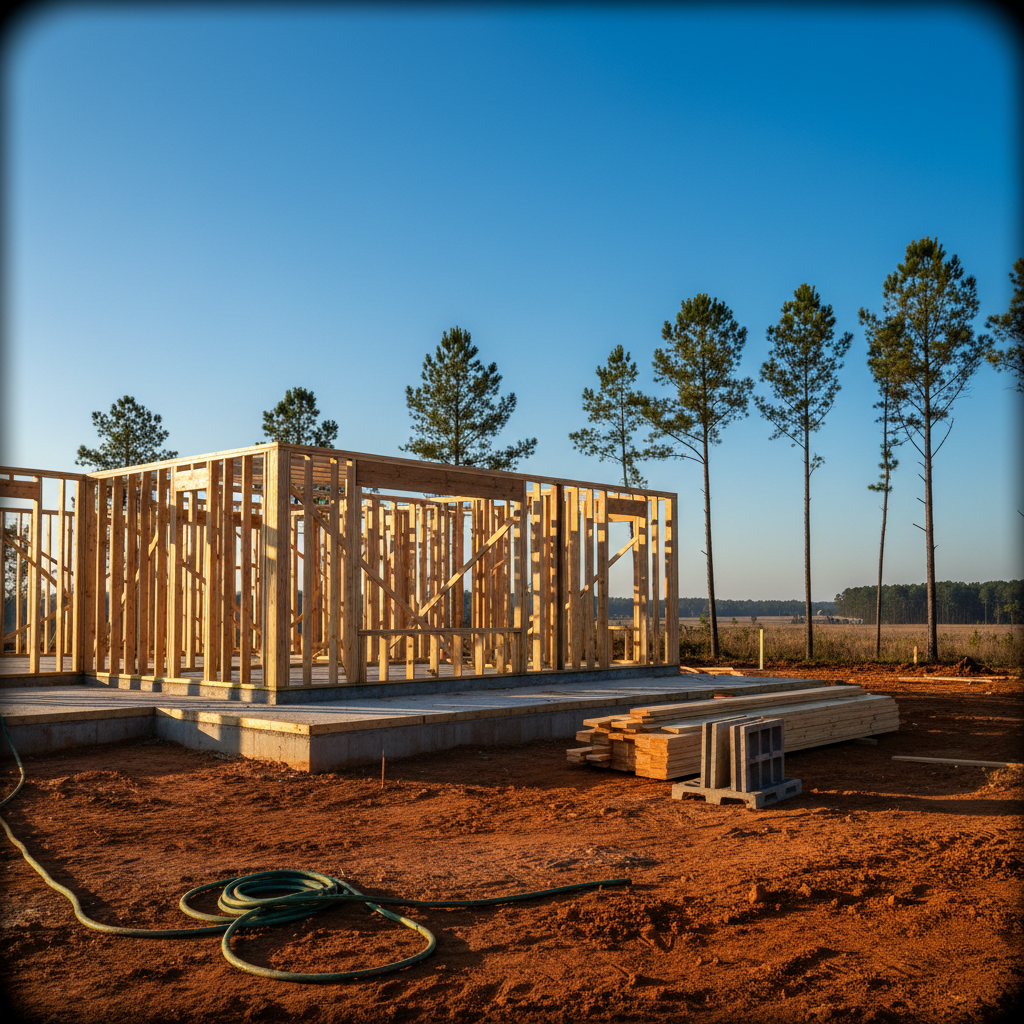
Why New Construction Is Having a Moment in Cobb County
The new construction market in Cobb County is active and growing, and I have seen firsthand why buyers are drawn to it. With over 415 new homes across 57 active communities in the county, there is genuine variety — from entry-level townhomes to luxury single-family homes — spread across some of the most desirable corridors in the region.
I love working with new construction buyers, but I also want to be honest with them from day one: the process has some important differences from buying a resale home, and there are specific things you need to know to protect your interests. The builder’s sales agent is professional and friendly, but they work for the builder — not for you. That distinction matters, and I will explain why throughout this guide.
If you are considering new construction in Cobb County, give me a call before you walk into any model home. Having your own agent costs you nothing (the builder pays buyer agent commissions) and protects you in ways that genuinely matter.
The Current New Construction Landscape
Cobb County’s new construction activity is concentrated along several key corridors. Here is where the action is:
Shiloh Road Corridor
The Shiloh Road corridor in northwest Kennesaw has seen significant development activity and continues to attract builder investment. New communities here benefit from proximity to I-75, the Shiloh Road / I-75 interchange improvements, and access to the established amenities of northern Kennesaw. Schools in this corridor are served by the Cobb County School District, and the neighborhoods tend to attract families and move-up buyers. This is one of the most active development zones I watch closely for clients.
Town Center at Cobb Expansion
The area surrounding Town Center at Cobb and along Barrett Parkway continues to see infill and expansion development. Townhome communities and smaller single-family developments are particularly active here, catering to buyers who want walkable access to retail, dining, and the Town Center commercial district. Proximity to CobbLinc Route 480 park-and-ride makes this corridor appealing for commuters as well.
Lost Mountain Area
The Lost Mountain area in west Cobb County has seen a wave of new development drawing families priced out of East Cobb while seeking excellent schools. The Lost Mountain Elementary / Durham Middle / Harrison High School feeder pattern is highly regarded, and builder interest in this corridor reflects that demand. Newer communities here tend to be larger-lot single-family homes at mid-to-upper price points.
Acworth and the Lake Corridor
Acworth on the northern edge of Cobb County is an active development zone, particularly for buyers who want lake access or proximity to Lake Allatoona. The combination of relatively affordable land costs, growing infrastructure, and lifestyle amenities has attracted several builders to this area. Entry-level new construction is more accessible here than in southern Cobb. See the Acworth lake city guide for more on this area.
Major Builders Active in Cobb County — and What to Expect
The builders active in Cobb County span a wide range of price points and quality tiers. Here is a realistic overview:
Entry-Level Tier ($300s-$400s)
D.R. Horton is the largest homebuilder in the United States by volume, and they are active in Cobb County with communities targeting the entry-level and first-time buyer market. Horton homes are efficiently designed, built to a standard specification, and priced aggressively. The tradeoff is that customization is limited — you are largely choosing from pre-set packages rather than designing from scratch. That said, for buyers focused on value and a newer home, Horton consistently delivers a reliable product.
Smith Douglas Homes is an Atlanta-based builder with a strong presence in the Cobb County market. Smith Douglas focuses on townhomes and smaller single-family homes at accessible price points. They are known for efficient floor plans and a smooth purchase process. I have worked with several Smith Douglas buyers and the experience has been generally positive — they communicate well and stick to their timelines reasonably.
Mid-Range Tier ($400s-$600s)
Pulte Homes is one of the most recognizable names in the Atlanta market and has multiple active communities in Cobb County across its various brand lines (Pulte, Centex, Del Webb). Pulte offers more customization than entry-level builders, solid construction quality, and a well-developed customer service process. Their Life-Tested Home Designs feature a focus on storage, flexibility, and multigenerational living that resonates with many buyers I work with.
Meritage Homes has made a strong push into the Atlanta market and brings a standout selling point: energy efficiency. Meritage builds to a higher energy standard than most production builders — their homes are spray-foam insulated, tight, and meaningfully cheaper to heat and cool than comparable homes from competitors. If monthly utility costs matter to you (and they should), the Meritage efficiency premium is worth serious consideration. Their design centers offer meaningful customization options in the mid-range tier.
Luxury Tier ($600s and Above)
Toll Brothers is the premier production luxury builder in the Atlanta market, and they have communities in Cobb County targeting the $600K-$1M+ range. Toll Brothers offers an extensive design center experience, high-quality standard finishes, and a process that feels significantly more custom than other production builders. Buyers in this tier are paying for genuine quality and design flexibility. The process is more involved — count on more decision-making milestones and a longer timeline.
The Most Important Thing Buyers Miss: Get Your Own Agent
I want to spend a moment on this because it is the single most impactful advice I can give new construction buyers.
When you walk into a model home, the agent sitting at the front desk is a builder’s sales representative. They are knowledgeable, often very helpful, and will guide you through the home selection process smoothly. But their legal and professional obligation is to the builder — not to you. They cannot negotiate against their own employer’s interests, and they will not point out unfavorable contract terms that hurt you.
Having a buyer’s agent representing you costs you nothing — builders pay buyer agent commissions as a standard part of their sales cost. What you get in exchange is:
- An advocate who can identify unfavorable contract language before you sign
- Someone who can negotiate upgrades, closing costs, or lot selection on your behalf
- Context from other transactions in the community about what is actually achievable
- Guidance on the inspection process (see below)
- A professional who knows when a builder’s offer is standard and when it is not
Critically: you must have your agent registered before your first builder visit in most cases. If you walk in alone and the builder registers you as an unrepresented buyer, adding an agent later becomes complicated. Call me before you visit any model home.
New Construction Inspections — Yes, You Need One
This surprises some buyers: new construction homes absolutely need independent inspections, even with a builder warranty in place.
Builders are building dozens or hundreds of homes simultaneously. Quality control varies. Issues get missed. I have seen brand new homes with:
- Improper grading causing drainage toward the foundation
- HVAC systems not balanced correctly
- Framing issues covered before drywall installation
- Plumbing rough-in problems that would have been expensive to address post-occupancy
I strongly recommend two inspections on new construction:
-
Pre-drywall inspection: Conducted after framing, plumbing, and electrical rough-in but before drywall is installed. This is the window to see the bones of the house — every structural member, every pipe, every wire. Once the drywall goes up, many of these items are inaccessible for years. This is the most valuable inspection you can do on new construction.
-
Final inspection (pre-closing): A standard home inspection conducted immediately before closing. This catches any issues introduced during the final construction phases and creates a documented list of items for the builder’s warranty punch list.
A good inspector for new construction will produce a punch list that the builder is contractually obligated to address under the warranty. Having independent documentation is far more effective than relying on verbal commitments. See the home inspection guide for Georgia buyers for a full overview of the inspection process.
Understanding Georgia’s Builder Warranty (1-2-10)
Georgia builders are required to provide a standard warranty structure that is commonly called the 1-2-10 warranty:
- 1 year: Workmanship and materials. The builder must correct defects in workmanship and materials for one year after closing. This covers cosmetic issues, minor systems problems, and finish items.
- 2 years: Mechanical systems. HVAC, plumbing, and electrical systems are warranted against defects for two years.
- 10 years: Structural defects. The load-bearing structure of the home — foundation, framing, load-bearing walls — is warranted against major structural defects for ten years.
Important nuances:
- Document everything in writing. Verbal acknowledgments of warranty issues are far weaker than written requests submitted through the builder’s warranty portal or by certified letter.
- File warranty claims promptly. Most builders have specific timelines for warranty submissions. Waiting until month 11 to document eleven months of issues is not ideal — file claims as you identify them.
- Third-party warranties: Some builders offer extended warranties through third-party insurers (like 2-10 Home Buyers Warranty). These can extend structural coverage and are worth understanding before you close.
Negotiating With Builders — Upgrades vs. Price
Here is something many buyers do not realize going in: builders are often more willing to negotiate on upgrades than on base price. This is because published base prices anchor resale comps in the community — dropping the base price affects what comparable homes in the development can command in resale. Upgrades, however, are less visible in MLS records.
What builders will often negotiate:
- Closing cost contributions: Builders frequently offer $5,000-$20,000+ in closing cost assistance, especially when using their preferred lender. Understand that their preferred lender may not always offer the best rate — compare independently before committing.
- Upgrade credits: Design center credits of $10,000-$30,000 are common, particularly at end of quarter or when inventory is sitting
- Lot premiums: Premium lots (corner, cul-de-sac, backing to green space) carry premiums that are sometimes negotiable, particularly on spec homes
- Appliances and fixtures: Builders will sometimes include upgraded appliances as incentives for spec homes near move-in ready
What is harder to negotiate:
- Base price on a build-to-order contract in a selling community
- Standard structural options and floor plan changes after construction has begun
My job is to know what is actually achievable with each builder at any given time and to negotiate effectively on your behalf. Let me do that work for you.
Timeline Expectations — What to Plan For
If you are choosing a build-to-order home (choosing your lot and customizing your floor plan from the foundation up), plan on a 6 to 12 month build timeline from contract to closing. The wide range reflects:
- Builder’s current backlog and crew availability
- Complexity of the plan and customization level
- Material and permit delays (less common than during 2021-2022 but still possible)
- Time of year (winter framing can be slower in some conditions)
Spec homes (homes already under construction or near completion) close much faster — sometimes in 30 to 60 days from contract. If you are on a tight timeline due to a lease ending or job start date, spec inventory is worth exploring.
Get your timeline commitment in writing in the contract and understand what remedies exist if the builder misses the date — typically a daily extension credit or the ability to exit the contract if delays exceed a threshold.
New Construction vs. Resale — Which Is Right for You?
I address this in depth in the new construction vs. resale in Cobb County guide, but the quick summary is:
New construction makes sense when you want modern systems and energy efficiency, do not want to renovate or deal with deferred maintenance, value customization in finishes and layout, and can tolerate a longer purchase timeline.
Resale makes sense when you want a specific established neighborhood or school zone where new construction is not available, you need to close quickly, or you are buying below the new construction price threshold in your target area.
There is no universally right answer — it depends on your priorities, timeline, and the specific inventory available when you are searching.
Let Me Guide You Through the Process
New construction buying is rewarding when you navigate it correctly and frustrating when you do not. I have been through this process with enough buyers to know where the pitfalls are, how to negotiate effectively with each major builder, and how to protect your interests from contract through closing.
For context on specific neighborhoods worth exploring for new construction, read the best neighborhoods in Cobb County for families guide. And if you want to talk through your specific situation, give me a call — I am happy to discuss what is available right now and what fits your goals.
Frequently Asked Questions
Do I need a buyer’s agent for new construction?
Yes — and it costs you nothing. Builders pay buyer agent commissions as a standard sales cost, so having your own representation is free to you while providing significant protection. Your agent can identify unfavorable contract terms, negotiate incentives on your behalf, and guide you through the inspection process. The critical rule: register with your agent before your first builder visit, or the builder may classify you as unrepresented.
What is the Georgia new construction warranty?
Georgia builders provide a standard 1-2-10 warranty: 1 year on workmanship, 2 years on mechanical systems (HVAC, plumbing, electrical), and 10 years on structural defects. Document all warranty claims in writing and submit them promptly through the builder’s official warranty process. Independent pre-drywall and final inspections give you documented evidence of any issues before closing.
How long does it take to build a new home in Cobb County?
Build-to-order new construction typically takes 6 to 12 months from contract signing to closing, depending on the builder’s backlog, plan complexity, and permit timing. Spec homes already under construction can close in 30 to 60 days. Get your anticipated close date and any delay provisions in writing in your purchase contract.
Can I negotiate on a new construction home?
Yes, though the approach differs from resale negotiations. Builders are generally more willing to negotiate upgrade credits, closing cost contributions, and lot premiums than to reduce base price (since published prices affect community-wide resale comps). End-of-quarter and spec home near completion are particularly good times to negotiate. Having a buyer’s agent who knows each builder’s current flexibility is valuable here.
What price ranges should I expect for new construction in Cobb County?
Entry-level builders like D.R. Horton and Smith Douglas are generally in the $300s-$400s. Mid-range builders like Pulte and Meritage Homes are typically in the $400s-$600s. Luxury builders like Toll Brothers start in the $600s and go well above $1M for larger plans on premium lots. Prices vary by community, floor plan, and current market conditions — give me a call for current availability.